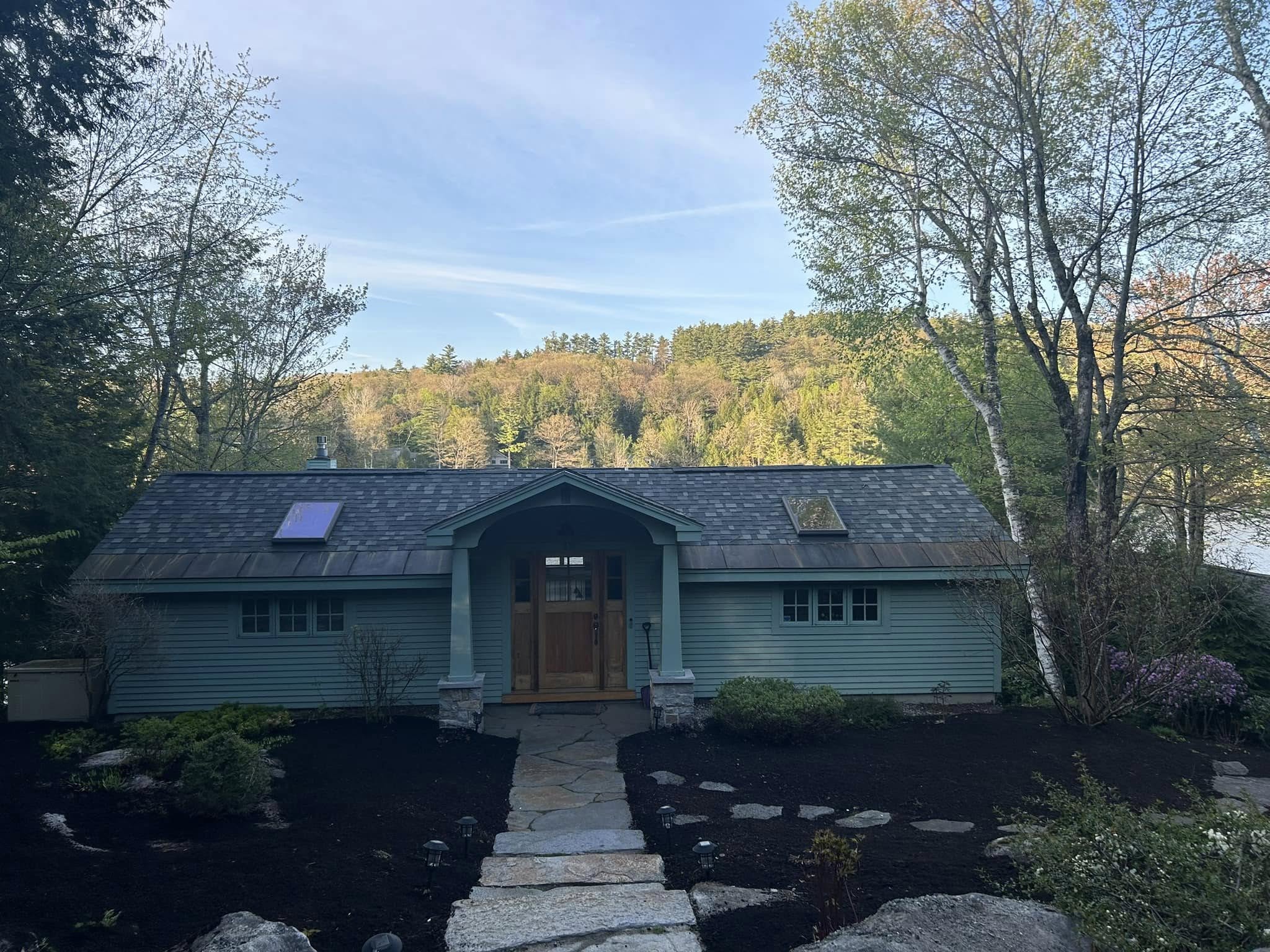
The Ultimate Guide to Sustainable Landscaping Practices Apr 25, 2026
Landscaping, when done thoughtfully, can significantly reduce energy costs, conserve water, and promote biodiversity. The first step in sustainable landscaping is selecting native plants. Native plants are those that occur naturally in a region and are adapted to the local climate and soil conditions. They require less water, fertilizer, and pesticides, making them an eco-friendly option. For the New Jersey area, consider options such as Eastern Red Columbine or Purple Coneflower, which not only thrive locally but also support local wildlife.
Water conservation is another critical aspect of sustainable landscaping. Implementing a drip irrigation system can dramatically reduce water wastage. Unlike traditional sprinkler systems, drip irrigation delivers water directly to the plant roots, minimizing evaporation. Additionally, consider collecting rainwater using barrels to further reduce the demand on natural water sources.
Mulching is a practice that every sustainable landscape should incorporate. It involves spreading a layer of organic material, such as wood chips or leaves, over the soil. Mulching not only improves soil fertility and retains moisture but also reduces weeds. As a result, you save time and effort while maintaining a healthy, lush garden.
Implementing permaculture principles can transform your garden into a self-sustaining ecosystem. Permaculture involves creating a design that maximizes resource efficiency. Start by grouping plants with similar water needs together to optimize your irrigation efforts. This concept, known as hydrozoning, ensures that each plant receives just the right amount of water without waste.
Integrating hardscaping elements like permeable paths and patios is another way to enhance sustainability. Permeable materials allow water to seep into the ground, reducing runoff and erosion. When planning your hardscape, opt for recycled or locally-sourced materials to minimize environmental impact.
Woody plants such as shrubs and trees play a dual role in sustainable landscapes. They add aesthetic appeal and serve as natural air purifiers. Strategically planting trees can also help reduce energy costs by providing shade in the summer and acting as windbreaks in the winter.
Pest management is often overlooked in landscaping design, but it's crucial for maintaining a healthy garden. Opt for integrated pest management (IPM), which emphasizes prevention over reaction. By encouraging beneficial insects like ladybugs and lacewings, you can naturally control pest populations without resorting to harmful chemicals.
Finally, regular maintenance is key to ensuring your sustainable landscape continues to thrive. Prune plants appropriately to encourage growth and aerate your lawn annually to enhance root development.
Incorporating sustainable practices in your landscaping journey with Thomas Clifford Property Services LLC not only beautifies your outdoor space but also contributes positively to the environment. As sustainability continues to be a priority, adopting these practices will not only enrich your garden but also benefit the planet as a whole.
Your backyard can be both a refuge of natural beauty and a testament to environmental responsibility, blending seamlessly with the eco-conscious ethos that defines modern landscaping. With a little foresight and the right guidance, you can enjoy a beautiful, sustainable landscape that offers long-lasting benefits for years to come.
/filters:no_upscale()/filters:format(webp)/media/1fa19fb9-5b86-4c64-af37-a35dbb36c1fd.jpeg)